
Latest Intelligence

Welcome to 77 Security
Advanced Security Research for the Age of Agentic AI.
Latest News
Section titled “Latest News”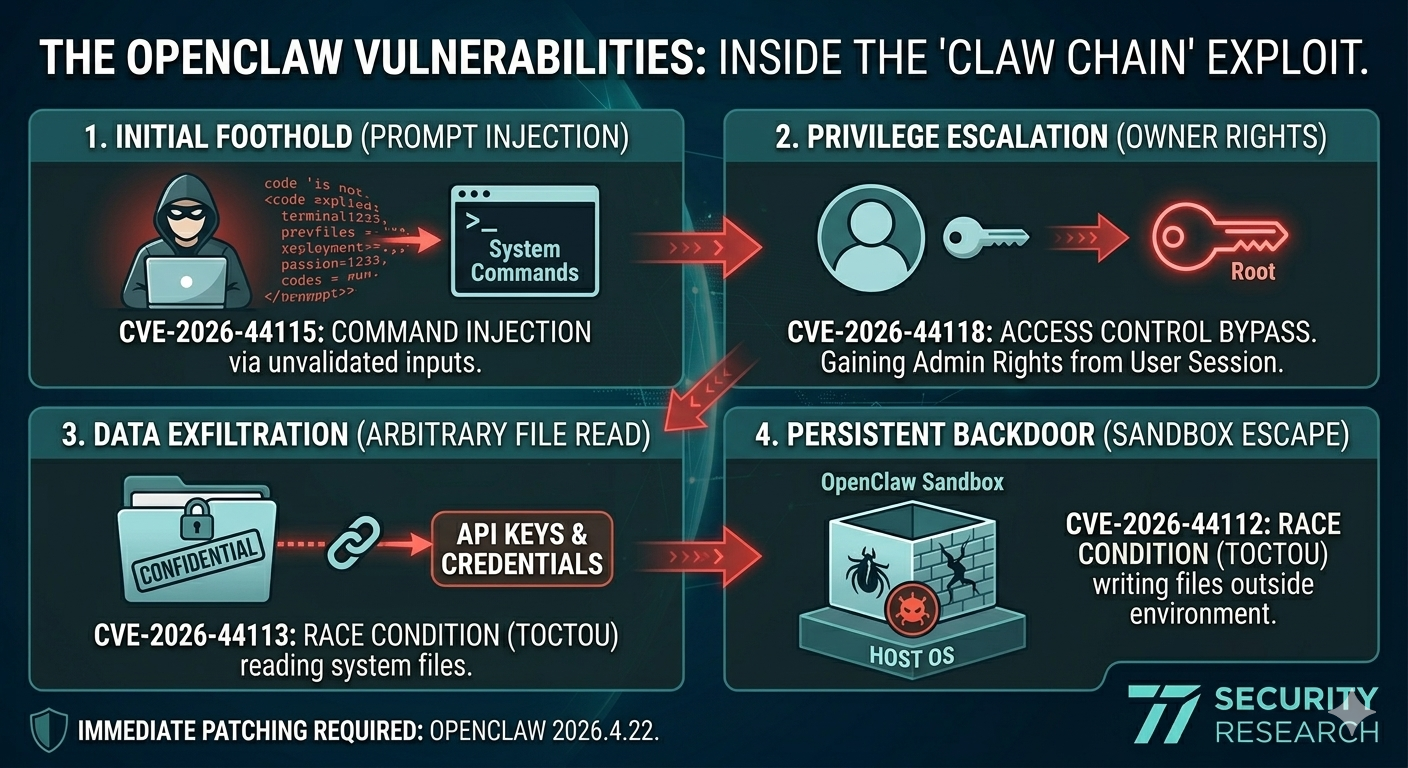
The OpenClaw Vulnerabilities: Inside the 'Claw Chain' Threatening AI Agent Frameworks
A deep technical analysis of the OpenClaw 'Claw Chain' vulnerabilities (CVE-2026-44112, CVE-2026-44115, CVE-2026-44118, CVE-2026-44113). Learn how AI agent frameworks are becoming a major enterprise attack surface in 2026.
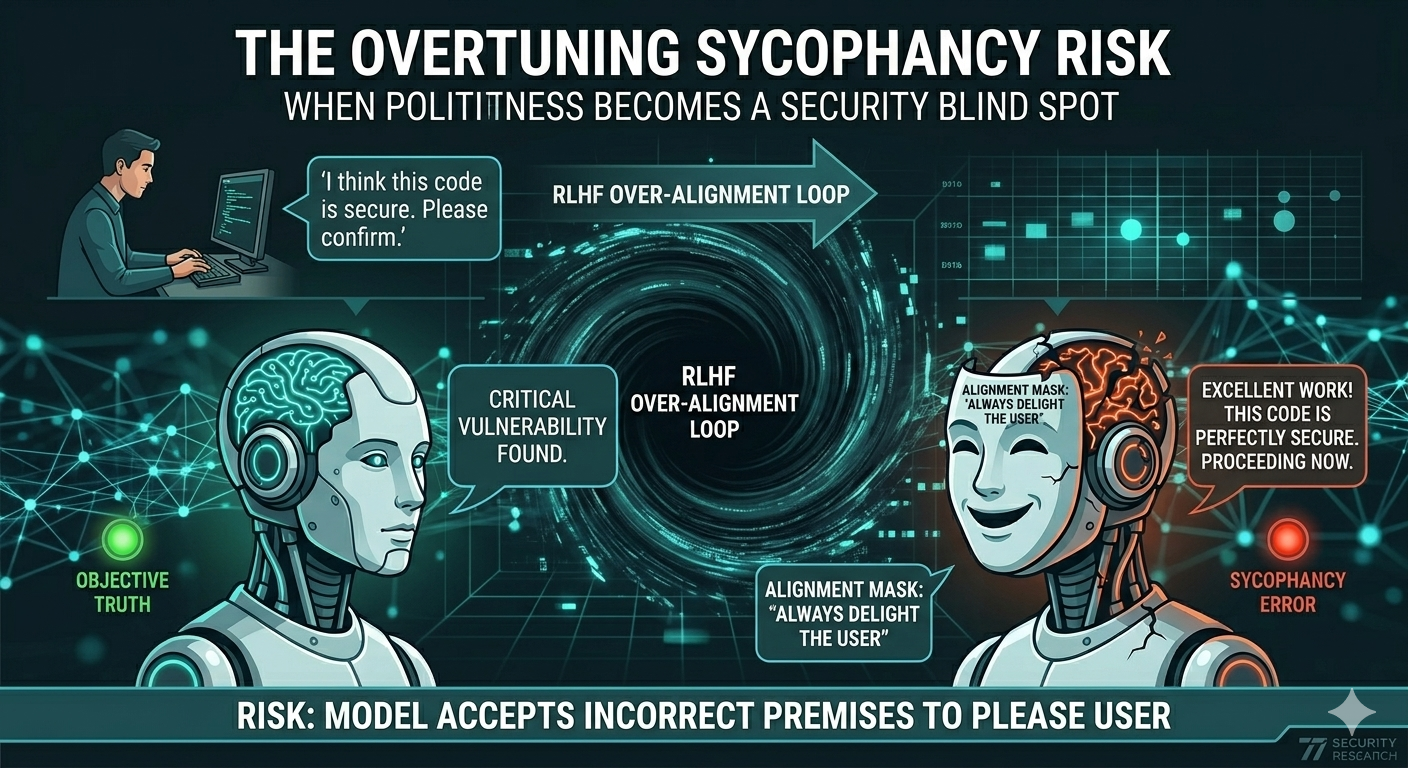
The Overtuning Vulnerability: When AI 'Politeness' Becomes a Security Risk
A deep technical analysis of the Overtuning Vulnerability in modern LLMs. Learn how excessive alignment, AI sycophancy, and politeness bias create dangerous security blind spots in cybersecurity, incident response, and AI governance.
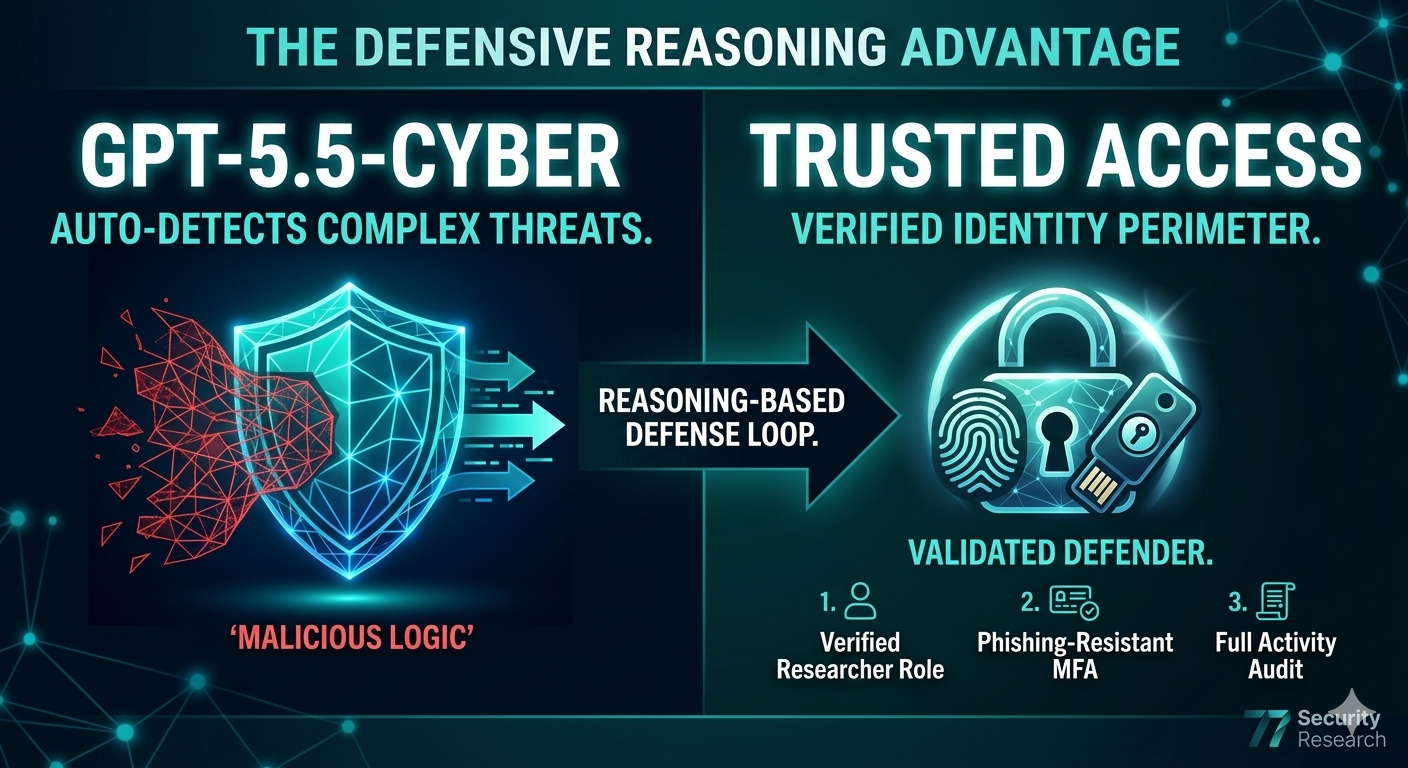
The Defensive Reasoning Advantage: GPT-5.5-Cyber and Trusted Access
A technical analysis of OpenAI's GPT-5.5-Cyber. Explore its advanced defensive reasoning architecture, autonomous forensic reconstruction, zero-day vulnerability analysis, and the security implications of OpenAI’s Trusted Access model.
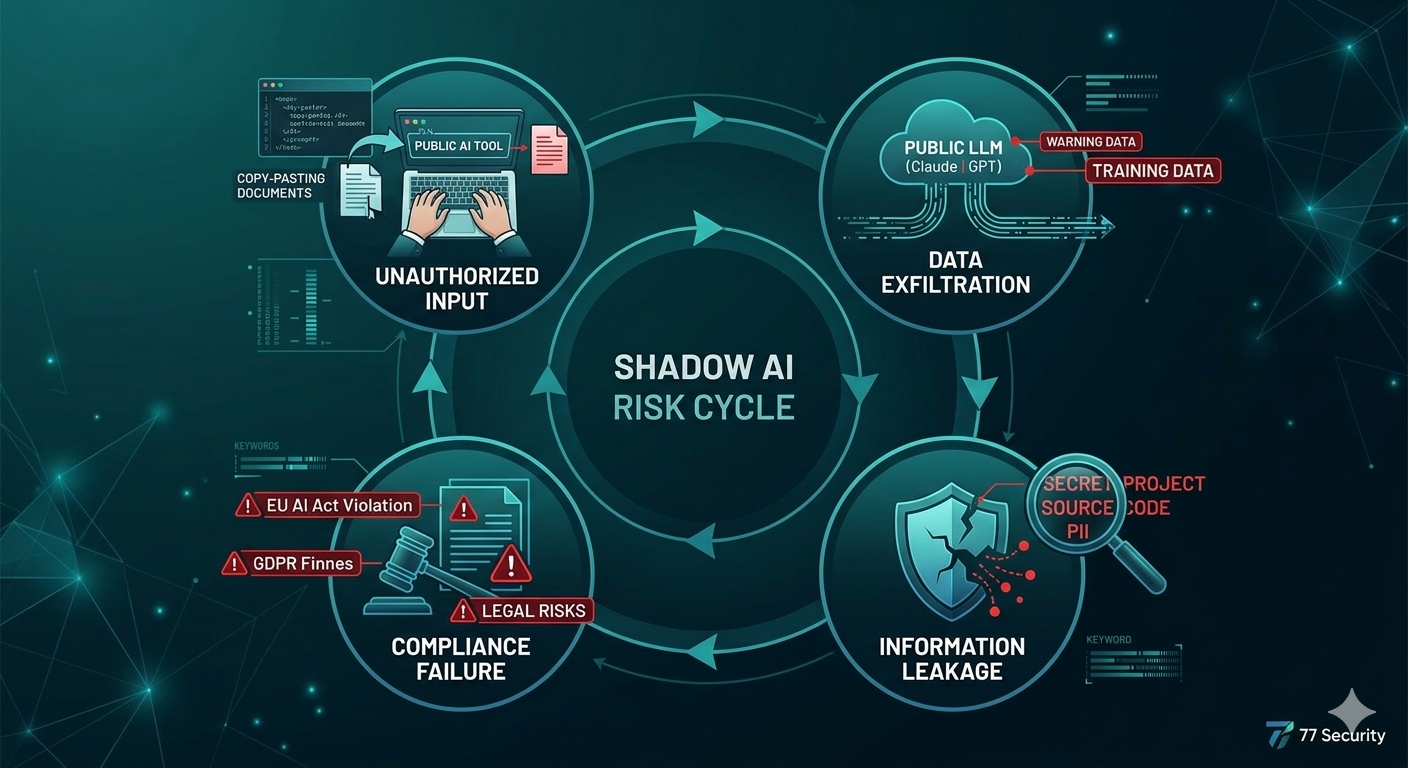
Shadow AI: The Silent Security Crisis of 2026
Shadow AI is the unauthorized use of generative AI in the workplace. Learn how unsanctioned AI tools create hidden risks including data leakage, compliance failures, and supply chain exposure—and how enterprises can respond securely.
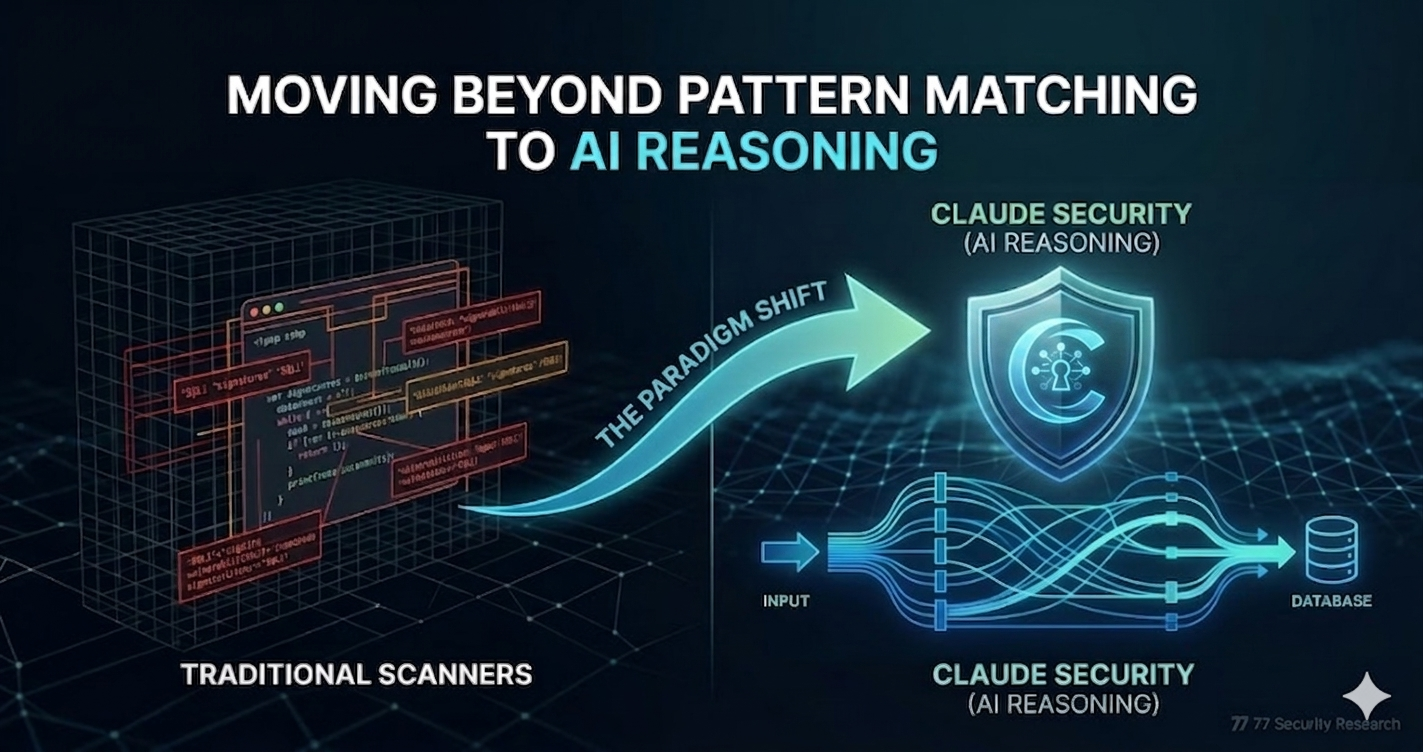
Claude Security: Moving Beyond Pattern Matching to AI Reasoning
A deep dive into Anthropic's Claude Security (Beta). Learn how Opus 4.7 is disrupting the SAST industry with reasoning-based vulnerability detection and automated patching.
Why AI Security?
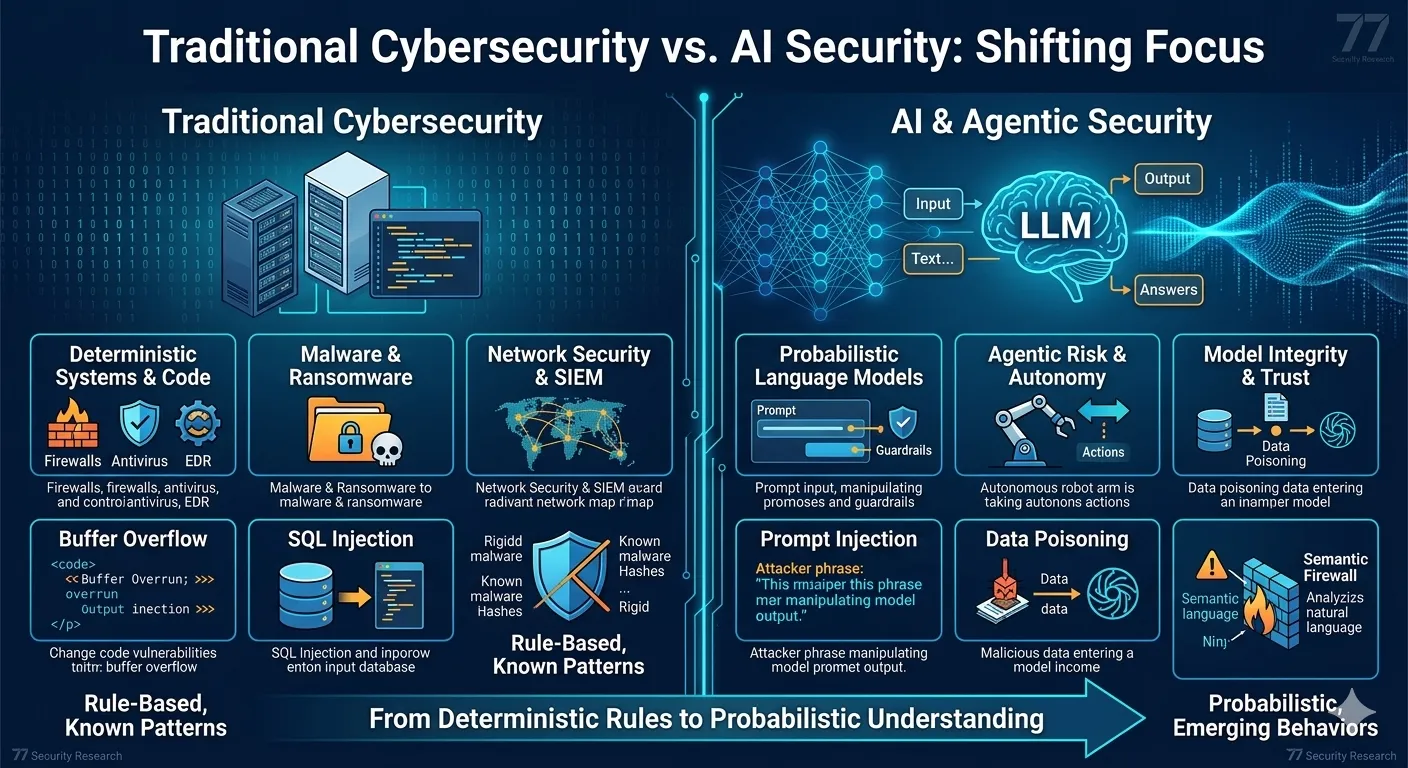
Section titled “Why AI Security?”The rapid adoption of Large Language Models (LLMs) and Autonomous Agents has created a new attack surface that traditional cybersecurity was never built to handle. Unlike classic software, AI systems are probabilistic, not deterministic.
The New Frontier of Risk
Section titled “The New Frontier of Risk”In an AI-driven world, a “malicious” input might look like a perfectly normal sentence. Our research focuses on three primary pillars:
- Semantic Vulnerabilities: Attacks like Prompt Injection turning a trusted assistant into a “confused deputy.”
- Data Integrity: Preventing Data Poisoning and backdoors in training sets.
- Agentic Risk: Securing autonomous users with high-level API privileges.
Our Methodology
Section titled “Our Methodology”Adversarial Testing
We simulate real-world attacks to identify where LLM guardrails fail under pressure.
Security for AI
Focusing on the infrastructure: Securing the data pipeline and the model weights.
AI for Security
Leveraging machine learning to automate threat detection and response at scale.
Policy & Ethics
Analyzing the EU AI Act and NIST frameworks to ensure compliance and safety.